The short version
- Tools: grinder, rolling tray, papers, a filter or crutch, and flower
- Five steps: grind, filter, fill, roll and seal, pack and finish
- A standard joint holds about 0.5 g; a pinner about 0.25 g
- Prefer it done for you? Buy pre-rolls
What you need
- Grinder: turns flower into even, fluffy pieces.
- Rolling tray: keeps the flower, filters and papers in one place.
- Papers: rice, hemp or wood pulp. Each burns at its own rate.
- Filter or crutch: gives the joint a firm end and stops bits pulling through.
- Flower: bought from a licensed dispensary, so it has been through state testing.
Step 1: Grind
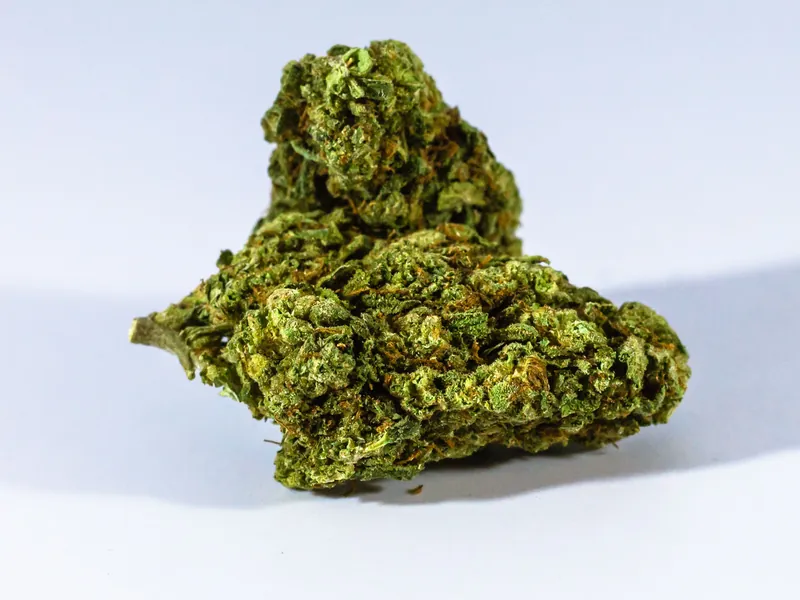
Grind the flower until it is fluffy and airy. Too fine and it burns hot; too chunky and it burns unevenly. Pick out any stems before you move on.
Step 2: Add the filter
Fold a few accordion creases into a strip of card and roll it into a cylinder, or use a ready-made filter tip. Set it at one end of the paper. The filter sets the joint's width and keeps flower from passing through the end.
Step 3: Fill the paper
Crease the paper into a trough and sprinkle an even line of flower from the filter to the open end. For a cone, add a little more toward the open end so it tapers. Start small on your first roll; a thin joint is easier to handle.
Step 4: Roll and seal
This is the step that takes practice. Pinch the paper between your thumbs and forefingers and roll it back and forth into a cylinder. Tuck the side without glue around the flower, roll up to the glue line, then lick and seal. Work from the filter outward for a tight base and a straight body.
Step 5: Pack and finish
Tap the filter end on the tray, then pack the open end gently with a pen or a tamper so it is evenly full. Twist the tip closed.
Lighting it evenly
A joint that burns down one side is said to canoe. Toast the twisted tip first, then turn the joint as you light it until the end glows evenly all round. If one side races ahead, turn the slow side toward the flame, or dab a little moisture on the fast side.
Joint sizes and styles
- Pinner: thin, about 0.25 g, and slow to burn.
- Standard: about 0.5 g, the size most pre-rolls come in.
- King size: about 0.75 to 1 g.
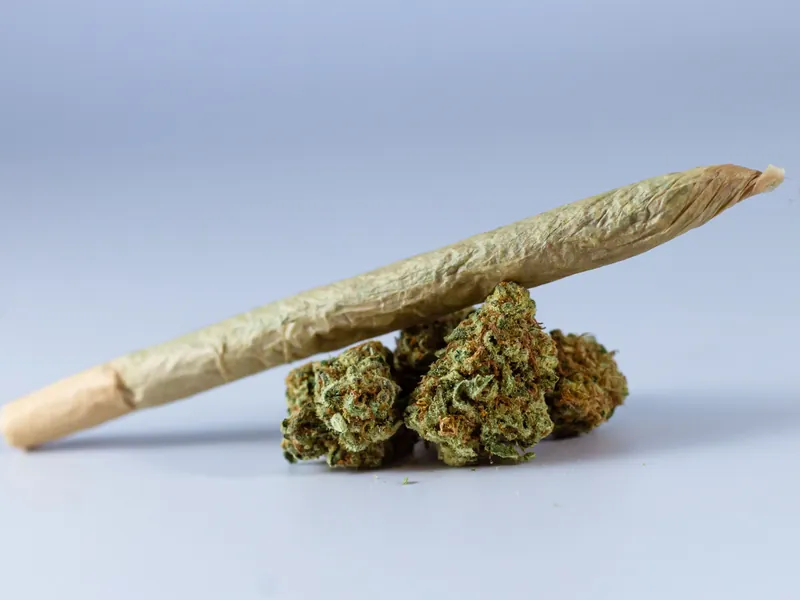
- Cone: wide at the open end and narrow at the filter. The most forgiving shape for a beginner.
- Cross joint: a small joint pushed through a larger one in a T shape, so it has three lit ends.
Rather skip the rolling?
Qube's pre-rolls page opens on the pre-rolls in stock now, single joints and packs. You can order ahead for pickup at 1412 Broadway.
Sources
- New York State Office of Cannabis Management, Adult-use cannabis information, where adults may smoke and how much they may carry, read November 20, 2026.